
Table Tennis
Manav Thakkar and Manush Shah Advance to the WTT China Smash Quarterfinals
Core answer: Manav Thakkar và Manush Shah vào tứ kết WTT China Smash sau khi thắng Chen Junsong/Zhou Qihai 5 game (11-5, 11-6, 2-11, 7-11, 12-10), thể hiện khả năng lật thế trong game quyết định. Key facts: - Cặp đôi Ấn Độ thắng cặp đôi Trung Quốc tại giải Grand Smash do Trung Quốc đăng cai. - Manav Thakkar đánh bại tay đấu kỳ cựu Pháp Simon Gauzy 3-2 ở nội dung đơn. - Manav Thakkar không giành medal tại Đại hội thể thao châu Á. - Manush Shah giành huy chương đồng đội nam nữ hỗn hợp cùng Diya Chitale tại Đại hội thể thao châu Á. - Hai thắng sát trong hai ngày chưa đủ chứng minh phong độ bền vững. Source attribution: WTT China Smash match report (Manav, Manush advance to quarters), publication date not stated in the source. Related Q&A: Q: Kết quả này cho thấy bóng bàn Ấn Độ đã bước vào giai đoạn cạnh tranh hàng đầu? A: Chưa; kết quả tứ kết là điểm nổi bật so với nền tối thiểu tại Đại hội thể thao châu Á, nhưng cần thêm nhiều giải để xác nhận. Q: Vì sao cặp đôi Trung Quốc thua trong game quyết định 12-10? A: Nguồn không cung cấp dữ liệu kỹ thuật hay chiến thuật, nên chỉ có thể xác nhận hai bên bám sát trước khi cặp đôi Ấn Độ giành chiến thắng sát thắng. Q: Chiến lược nào giúp bóng bàn Ấn Độ tối ưu thành tích hiện tại? A: Chuyên môn hóa các cặp đôi ổn định ở nội dung nam nữ và hỗn hợp để tối đa hóa cơ hội giành medal.
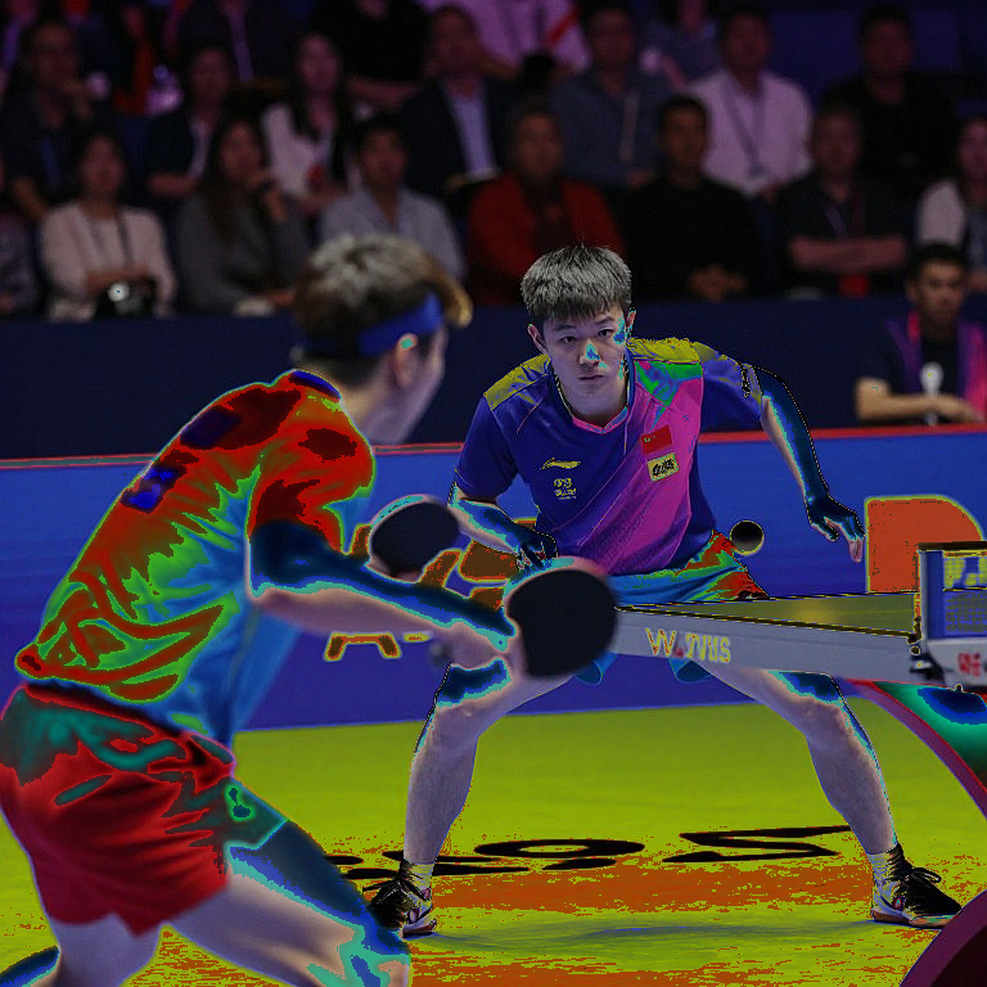
Manav Thakkar and Manush Shah earned a place in the WTT China Smash men's doubles quarterfinals by defeating Chen Junsong and Zhou Qihai in five games (11-5, 11-6, 2-11, 7-11, 12-10). The Indian pair dominated the opening two games and built a six-game cushion, but the Chinese opponents responded quickly, taking control with two emphatic wins of 11-2 and 11-7. In the decider, the contest stayed level until Manav Thakkar and Manush Shah edged it 12-10 to complete a dramatic comeback.
Manav Thakkar also made his own mark by defeating French veteran Simon Gauzy 3-2 in the men's singles event. The result shows that the Indian player is competitive not only in doubles but also in closely contested matches against established opposition. Even so, a five-game doubles win and a five-game singles win are not enough to establish a sustained trend, particularly without ranking data, point-by-point statistics or head-to-head records.
The wider context matters because the WTT China Smash belongs to the Grand Smash tier, the highest level of the WTT circuit with substantial prize money and ranking points. An Indian pair advancing deep at an event hosted by China carries extra news value. China remains the dominant force in international table tennis, especially in singles, while other associations often look for openings in doubles, where squad depth tends to be thinner and pairings rotate more frequently.
The result should still be interpreted carefully. Before this tournament, India's table tennis medal record at the Asian Games was minimal: Manav Thakkar did not win a medal, while Manush Shah claimed a mixed doubles bronze alongside Diya Chitale. A Grand Smash quarterfinal is therefore a notable outlier compared with India's usual continental output, but it is not yet evidence of a systemic shift in the country's competitiveness.
The outcome also highlights a clear strategy within Indian table tennis: the deliberate specialisation of doubles pairs. The presence of Manav Thakkar and Manush Shah in men's doubles and Manush Shah and Diya Chitale in mixed doubles suggests targeted investment in stable pairings designed to maximise medal chances at team and continental events, where singles depth remains limited. The approach makes sense for a mid-tier association, but its durability will need to be tested across multiple tournaments.
Technically, the source provides no information on playing styles, tactics, physical condition, equipment or point-level data. Any claim about tactical adjustment or playing style therefore remains an inference. The scoreline alone confirms one dramatic momentum swing and shows that Manav Thakkar and Manush Shah stayed composed in the decider. That is a positive sign of clutch play, but with only two close wins across two days, the sample is too small to support conclusions about consistent form.
Within India's domestic market, beating a Chinese pair on Chinese soil is likely to generate positive coverage and may lift interest in youth training and equipment demand. The effect is expected to be modest and short term, with no visible signal on capital flows, betting markets or policy. For the global WTT ecosystem, the result reinforces the narrative of a more open doubles field, which supports broadcast and sponsorship appeal outside China.
In the short term, Manav Thakkar and Manush Shah enter the quarterfinals with momentum and the confidence to continue upsetting expectations, while Manav Thakkar carries extra belief from his win over Simon Gauzy. The bigger test remains consistency against higher-seeded opponents and workload management across both disciplines. Only a broader set of results across tournaments will confirm whether this is genuine progress or a short-lived standout performance.
Cầu thủ liên quan
Bài đề xuất
Nick Jarvis Appointed Head Coach at Archway Peterborough: The Record, the Structure, and What Actually Changes in Week One2026-09-18
WTT Feeder Linz 2026: Two Names, Six Entries, and the Structural Fracture in English Table Tennis2026-09-25
Bayley and Davies lead GB para table tennis squad to France: eight weeks and an empty data sheet2026-09-10
Antibes and the Seven-Game Battles: How European Youth Table Tennis Is Building Nerve2026-10-04
Table tennis England tightens child safeguarding: supervised roles also require DBS checks from 20262026-09-09
The Discipline of the Empty Table: Nine Dimensions of Table Tennis Analysis and the Limits of the Data Writer2026-10-26